How to Choose the Right Vehicle Gate Access Control System
Plan resident and visitor lanes, compare LPR and vehicle credentials, and build an on-site pilot with fallback procedures and measurable acceptance criteria.
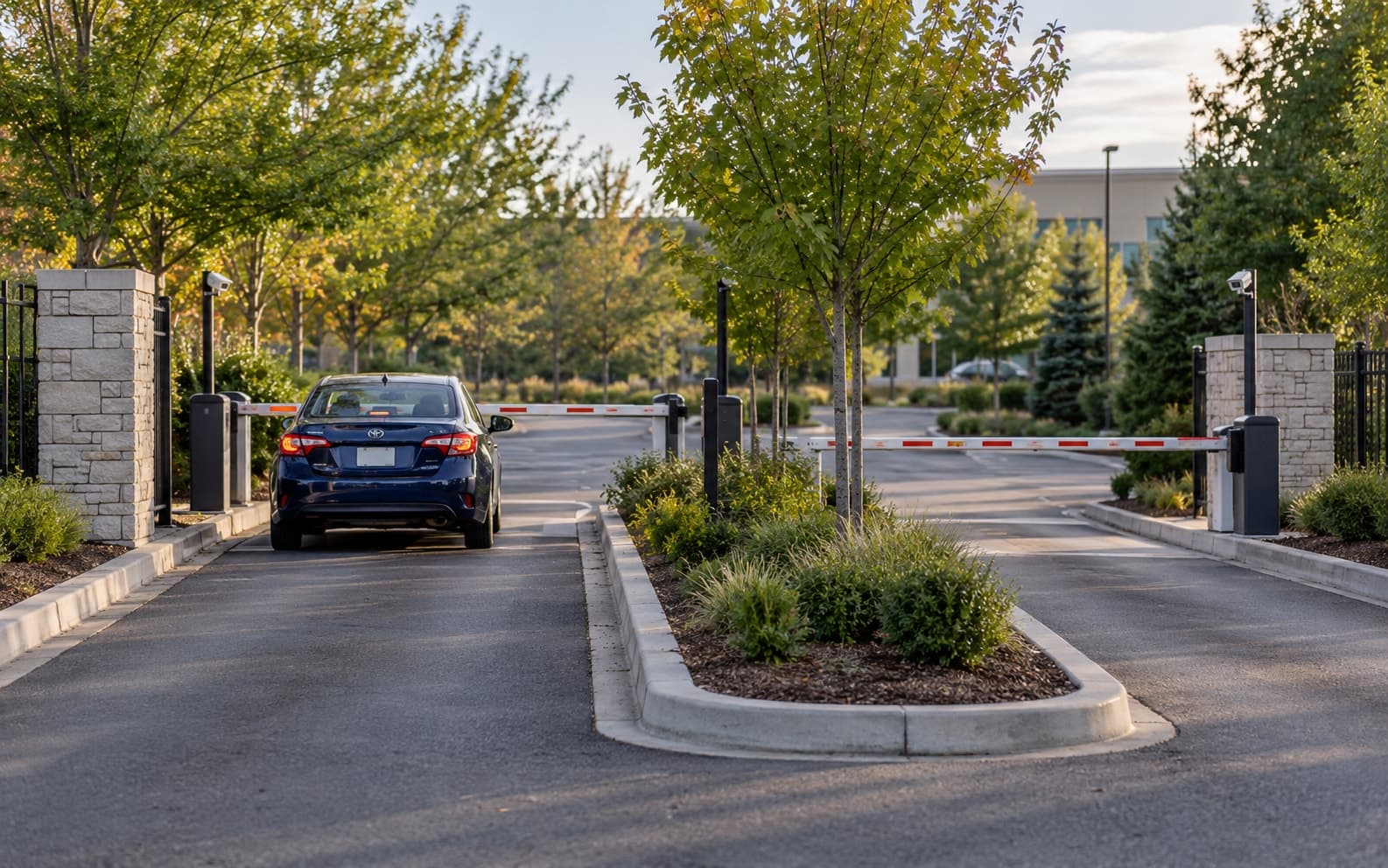
Vehicle gate access is a lane-design decision as well as a software decision. The right credential for a resident who enters every day may not work for a first-time guest, a rental vehicle, or a delivery truck. Map those arrivals before selecting a reader or camera.
This guide focuses on vehicle entry. Use the vendor evaluation checklist for proposal and contract comparisons.
Observe the entrance before choosing equipment
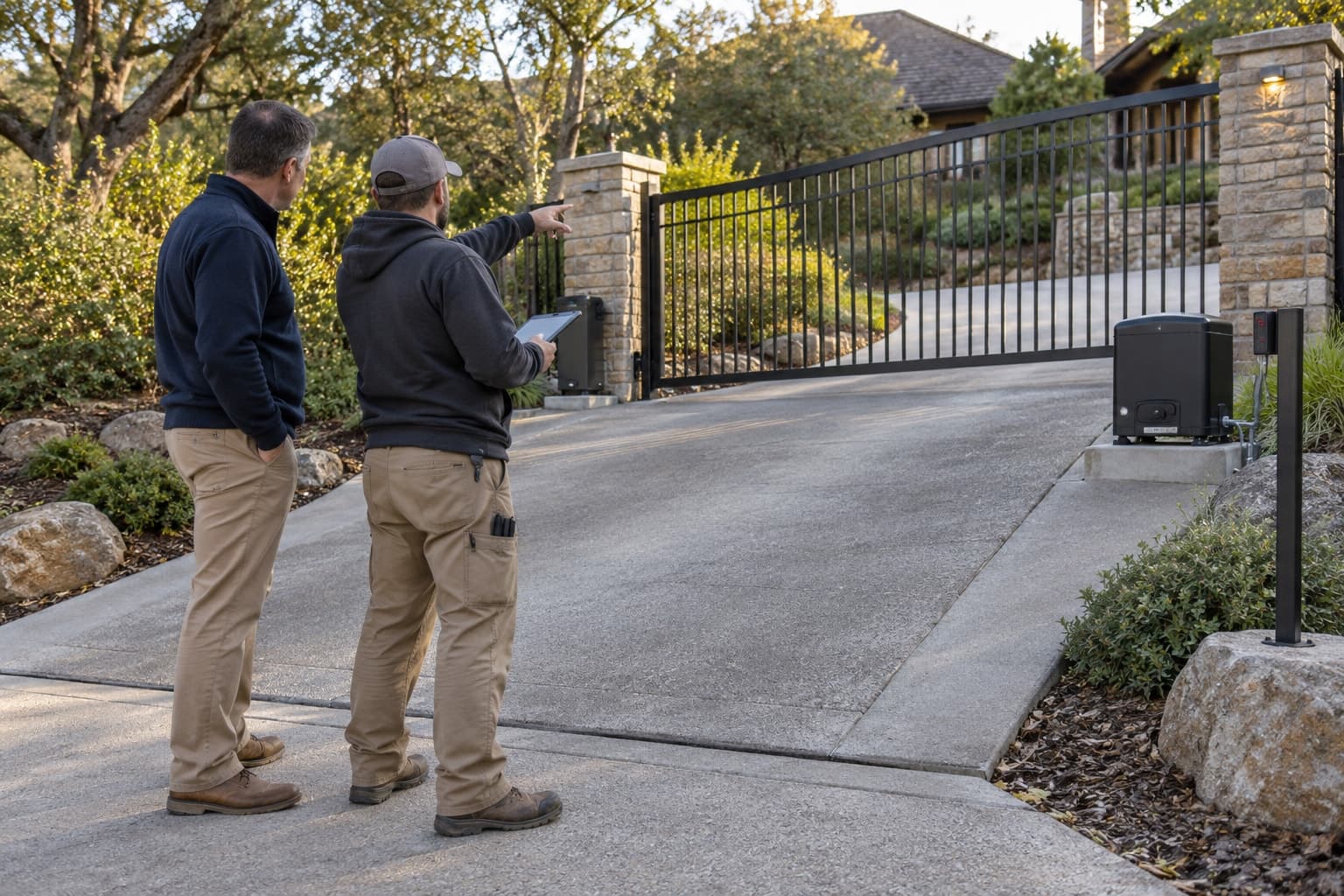
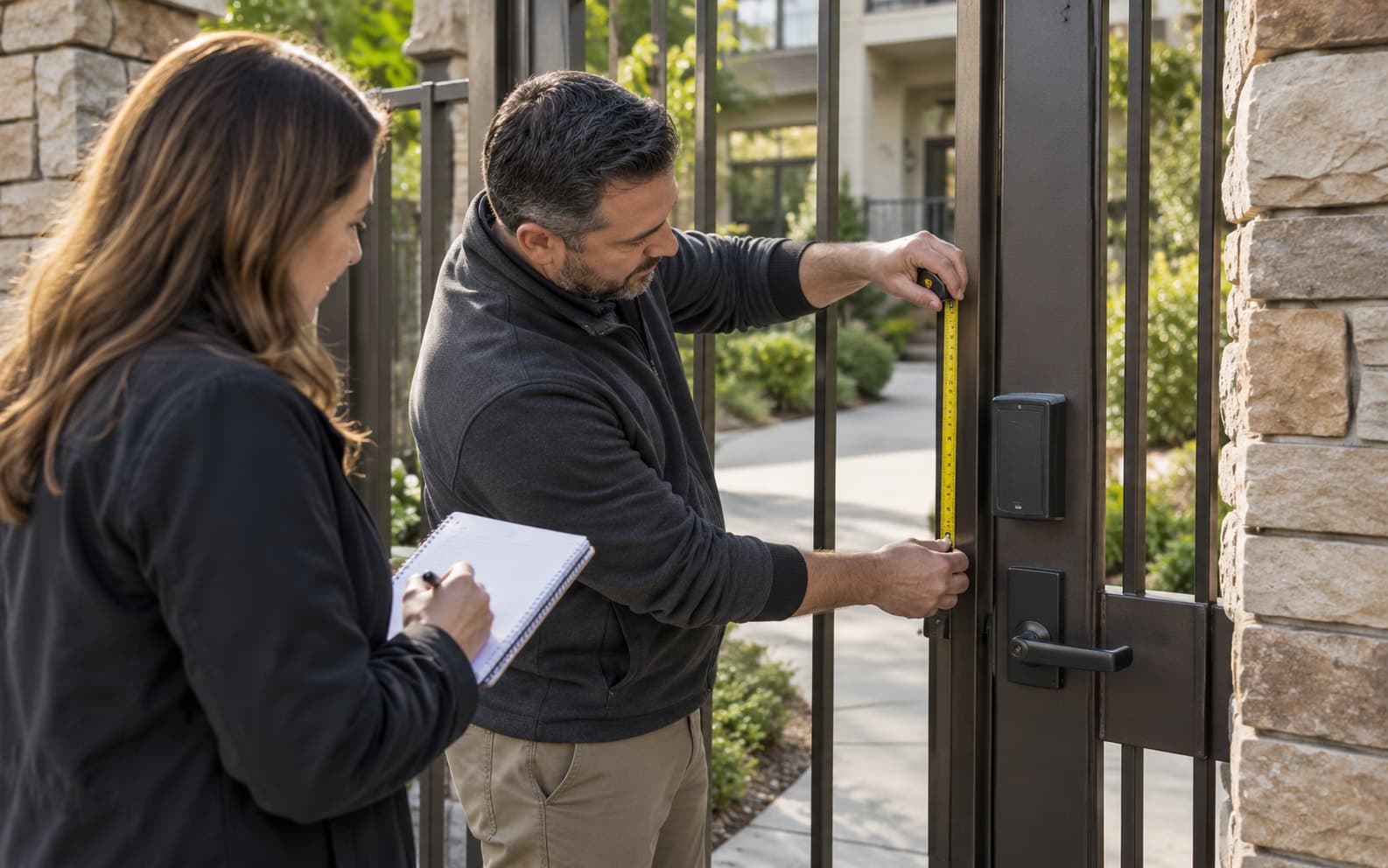
Record the approach direction, stopping position, lane width, queue space, and whether residents and visitors share a lane. Note lighting changes, weather exposure, nearby traffic, and where staff can safely resolve an exception. Have the installer inspect the gate operator, safety equipment, power, and network availability.
Measure a representative busy period. Record arrivals, waits, and the causes of delays: finding a guest record, calling a resident, reading a credential, or the gate's operating cycle. Faster identification does not necessarily remove a bottleneck elsewhere in the lane.
Compare credentials by arrival type
| Method | What it identifies | What to verify on site |
|---|---|---|
| License plate recognition | A plate associated with an authorized vehicle record | Read location, lighting, plate visibility, approval rules, and a fallback for missed reads |
| Compatible vehicle tag or RFID credential | An issued credential associated with a household or vehicle | Reader range, tag placement, neighboring-lane reads, and replacement procedures |
| Card or fob | A credential presented to a compatible reader | Safe stopping position, reach, issuance, and revocation |
| Guest invitation and gatehouse check | A visitor authorization reviewed through the arrival workflow | How staff finds the invitation and handles an unexpected guest |
These methods are not interchangeable. A successful plate read identifies a vehicle record; it does not establish the identity of every occupant. Access software also does not by itself prevent a second vehicle from following through an open gate.
For a more detailed technology comparison, read LPR versus RFID. Ask the installer to explain how the proposed equipment handles your specific lanes.
Plan exceptions before launch
Write down what happens when a resident arrives in a rental car, a plate is unreadable, a credential is revoked, or a guest arrives at an unattended entrance. Give staff a clear escalation path and provide residents with the approved alternative entry process.
Confirm the behavior of the controller and authorization software during power or internet interruptions. Test the agreed recovery procedure with the installer. Do not assume “cloud managed” means either fully offline-capable or completely unusable offline: behavior depends on the proposed equipment and configuration.
Pilot with evidence you can review
Use authorized sample vehicles and agreed test conditions. Test daytime and nighttime arrivals, approved and unapproved credentials, household updates, guest exceptions, and the fallback workflow. Avoid publishing test plates or resident details in public materials.
Record attempted arrivals, successful authorizations, missed reads, staff interventions, and end-to-end waiting time. Separate a camera read failure from a correct read of a vehicle that lacks permission. Agree on acceptance criteria with the installer before the pilot; do not substitute an advertised accuracy percentage for your property's results.
For plate-based entry, use the HOA LPR evaluation guide to organize lane-specific tests and record read failures separately from authorization errors.
Connect vehicle records to community operations
GoAccess license plate recognition connects vehicle records with visitor management and gate access where configured. Authorized teams can review arrival history and vehicle context. Confirm supported cameras, controllers, reporting coverage, and staff permissions during the site assessment.
Keep guest handling connected through visitor management, even when residents use automated entry. Request a vehicle-access demonstration with lane photographs, equipment models, expected traffic, and the exceptions you need to handle.