The Role of License Plate Recognition in HOA Gate Software
Evaluate LPR for HOA entrances with site-specific camera tests, authorization checks, fallback procedures, and measurable pilot criteria.
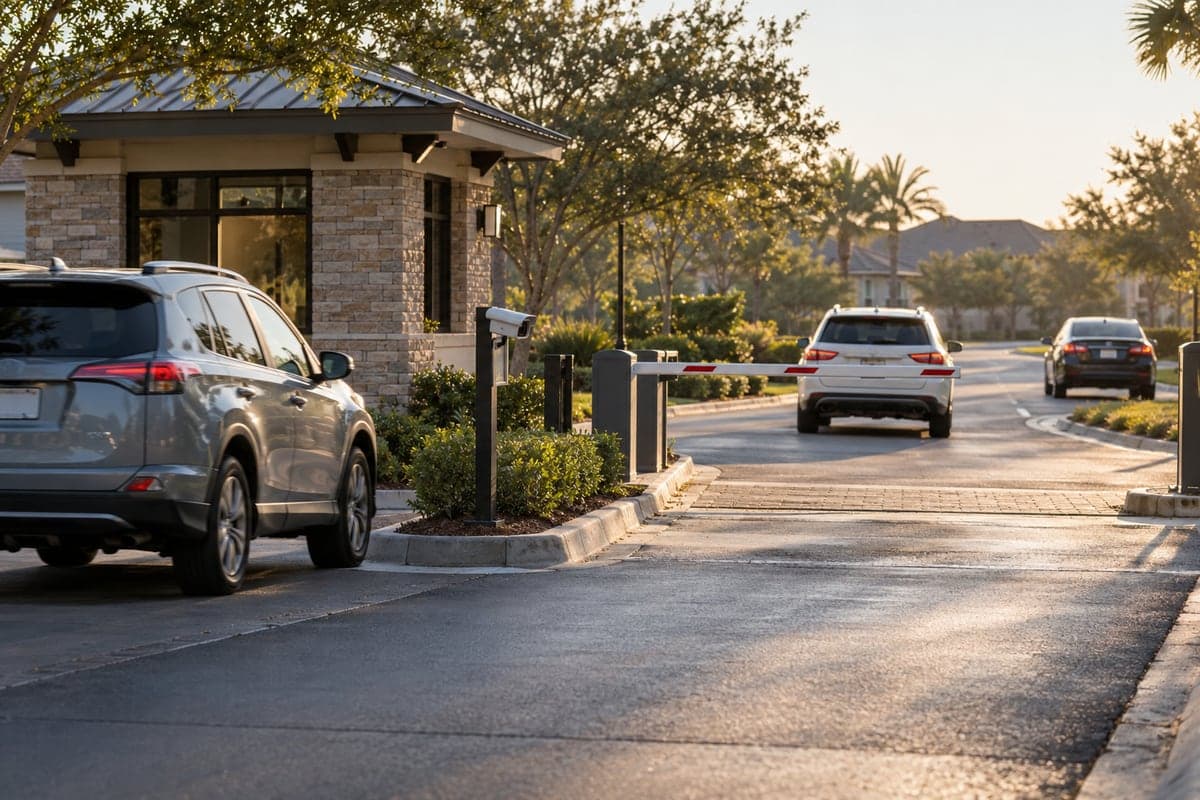
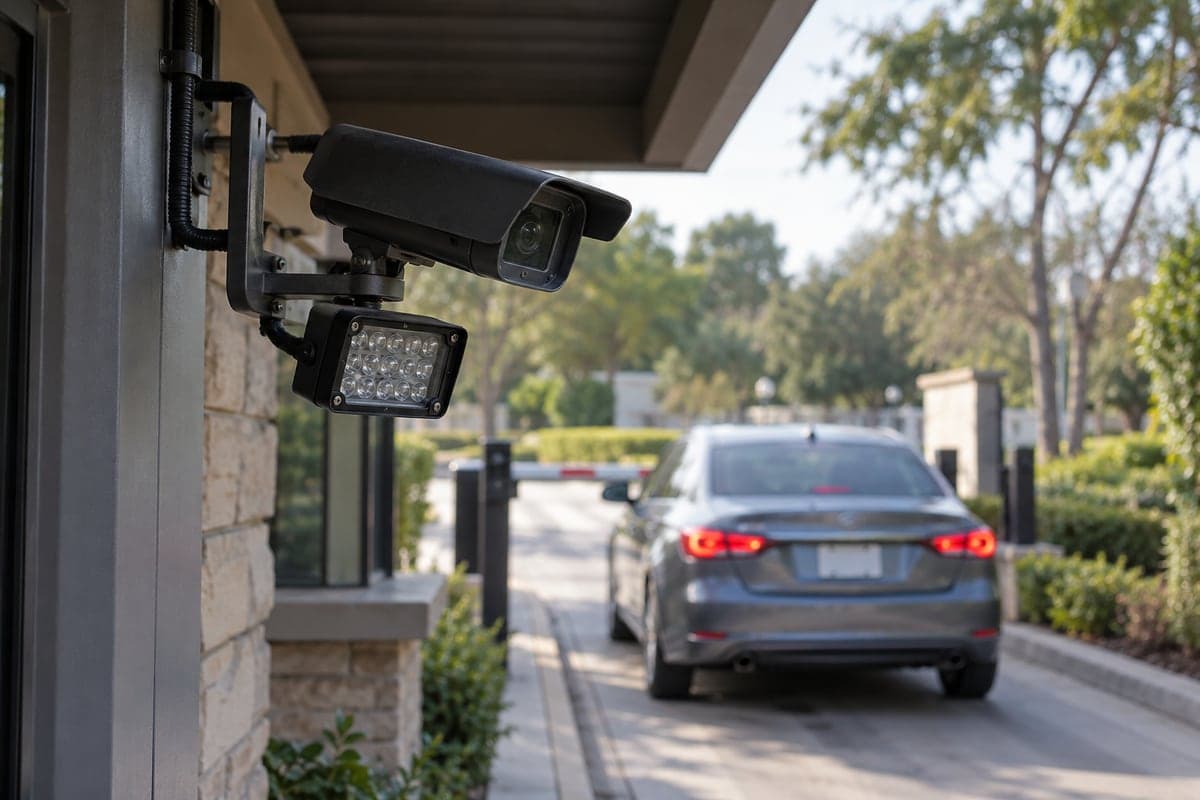
License plate recognition can make an approved vehicle’s arrival easier to process, but reading a plate and authorizing entry are different tasks. A camera produces a possible plate match; configured access rules determine what should happen next.
For an HOA evaluating LPR, the useful question is whether the proposed equipment and workflow work reliably at your entrances. This guide focuses on the evidence to collect before purchase, rather than a universal accuracy figure or a ranked list of vendors.
Understand the path from a plate read to entry
A typical plate-based access workflow includes image capture, recognition, comparison with an authorized record, and a decision passed to supported gate equipment. Logging and departure capture may involve additional configuration.
Ask the installer and software team to identify which component performs each step. Confirm how temporary guests, residents, revoked permissions, and unreadable plates are handled. A camera that can record plates is not necessarily configured to control a gate.
GoAccess LPR connects plate-related workflows with community access. The equipment, enabled features, and integration configuration need to be confirmed for each deployment.
Assess each lane before choosing equipment
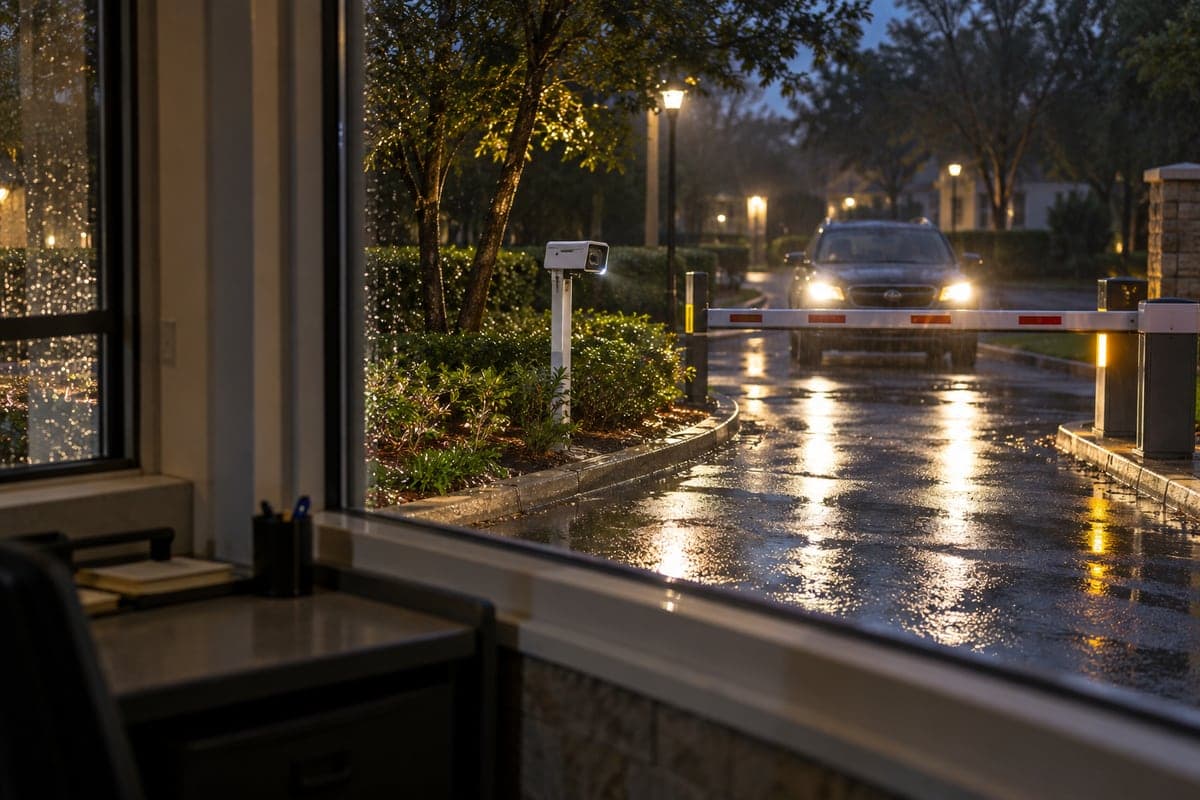
Give the installer an entrance plan showing approach direction, lane width, stopping position, gate location, available power, and connectivity. Include photographs taken during normal daytime and nighttime operation without exposing private plate records in a public document.
Ask for a site assessment of camera mounting, lighting, reflections, vehicle approach, and the plate formats the system must handle. Test the actual lane; a demonstration on a sample video does not establish performance at your property.
Use the vehicle gate-access guide to plan resident, visitor, and service-vehicle flows before deciding where LPR belongs.
Run a pilot with explicit pass criteria
Agree a representative test set and record the conditions for each attempt. Choose acceptance thresholds with your installer before the pilot, rather than adjusting them after seeing the results.
| Test | What to observe |
|---|---|
| Authorized resident | Correct plate match, correct permission, and expected gate response |
| Unregistered vehicle | No automatic authorization based solely on a readable plate |
| Expired guest permission | Access decision reflects the agreed expiration behavior |
| Changed resident plate | New authorization works and the old authorization is handled as specified |
| Night and difficult lighting | Read results and manual exceptions under real site conditions |
| Obscured or unreadable plate | Safe, usable fallback without treating a failed read as approval |
| Connection failure | Controller behavior, staff procedure, and recovery match the proposal |
Track correct reads, missed reads, incorrect matches, authorization errors, and time to resolve exceptions separately. A plate-read percentage alone does not measure access-control reliability. Also record queue time so that a technically successful read is not mistaken for a smooth entrance experience.
Keep a fallback for exceptions
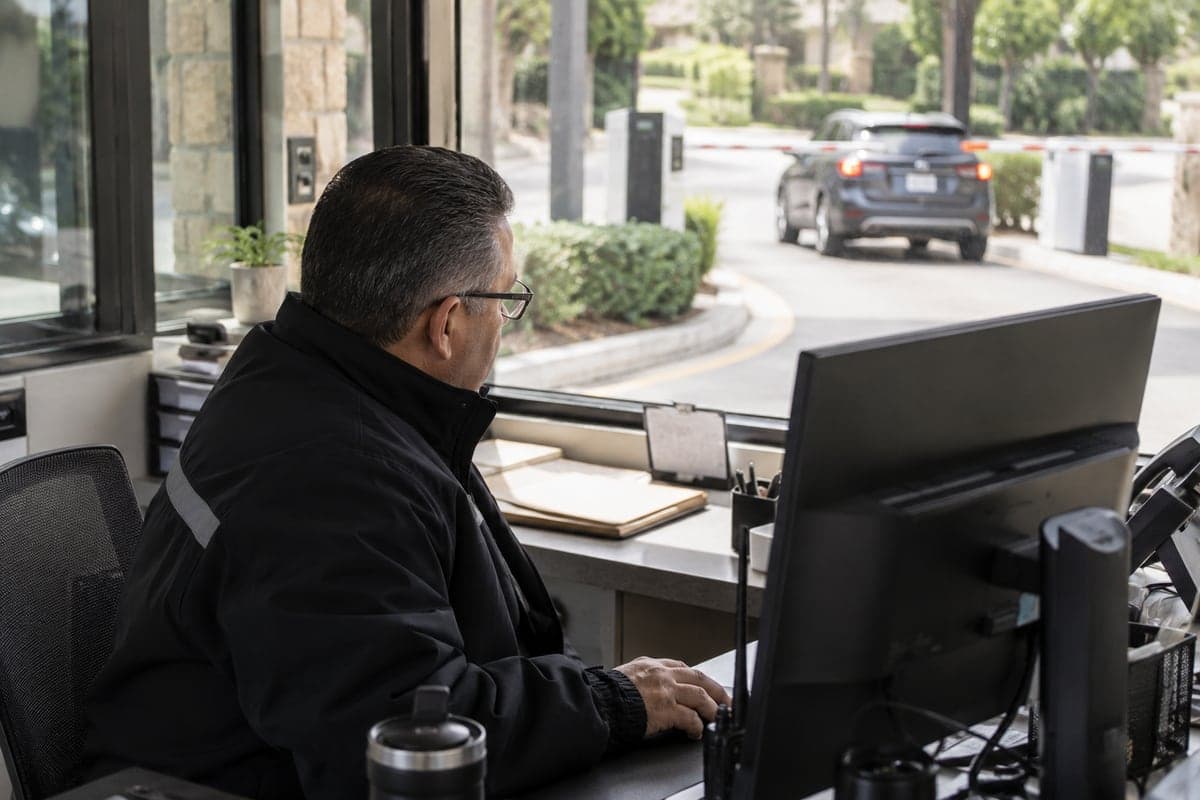
Some vehicles will need a different process: rental cars, recently changed plates, guests without preregistration, or unreadable plates. Define how staff verify authorization and how residents receive help.
Compare available alternatives such as a staffed check, intercom, or another supported credential. Do not assume every option is compatible with your proposed system. The LPR versus RFID guide can help frame the credential discussion.
LPR does not by itself prevent tailgating or prove who is driving. Gate safety equipment, entrance design, and staff procedures remain separate considerations for the qualified installer and community.
Check exit coverage and reporting assumptions
An entry record does not prove a vehicle is still on site. Reports about remaining vehicles depend on departure capture and reconciliation of missed events. Ask the team to show what happens when an exit is missed or a vehicle uses an unmonitored entrance.
Similarly, placing a resident plate on an approved list does not establish that its history is excluded from storage. Ask exactly which images and events are retained, who can access them, and what retention controls are available.
Establish data-handling responsibilities
Agree the purpose of collection, staff permissions, export procedures, retention period, and responsibility for responding to requests. Review those decisions against your association’s policies and applicable requirements with appropriate advisers. A software feature alone does not establish legal compliance.
Use fictitious records in demonstrations. Keep real resident and visitor data out of public training materials, screenshots, and vendor comparisons.
If incident review is part of your requirements, use the LPR incident-review guide to define alert responsibilities, image verification, and access to retained records before the demo.
For a lane-by-lane demonstration, use the HOA LPR evaluation checklist to separate plate reads, authorization decisions and staff exceptions.
Compare complete proposals
Request equipment models, installation scope, software charges, connectivity, maintenance, support, and replacement responsibilities. Include the cost of handling exceptions and the pilot’s acceptance criteria. Require written confirmation of the proposed integration instead of relying on general compatibility claims.
Bring your lane plan and pilot checklist to a GoAccess demo. The goal is a configuration your community can verify and operate, supported by evidence from your own entrances.