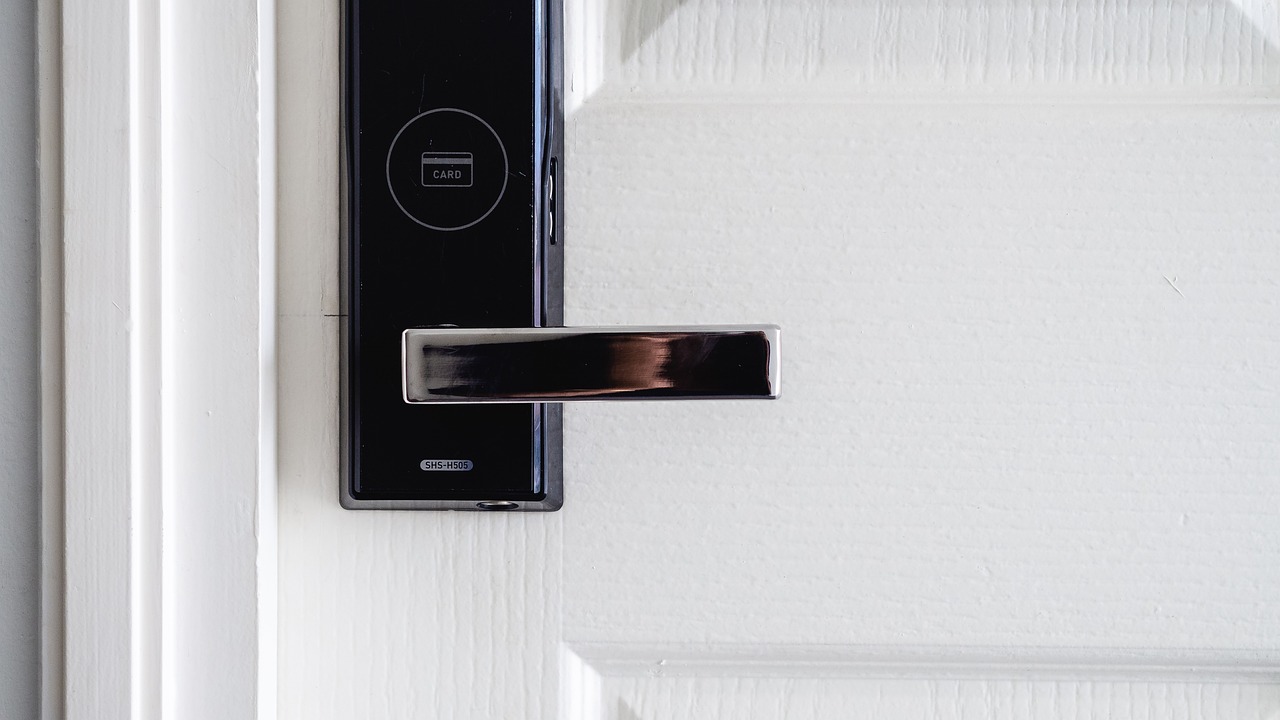
Wireless access control for HOAs is quickly becoming the new standard for managing gates, doors, amenities, and visitor access. It eliminates complicated wiring, reduces installation costs, and gives HOA boards and property managers more flexibility and control. If your community wants a smarter, more efficient way to manage access, switching to wireless systems might be one of the best upgrades you can make.
This guide breaks down everything you need to know how wireless access control works, the benefits, system types, features to look for, and how to choose the right setup for your HOA.
Wireless access control is a security system that manages entry to community gates, clubhouses, gyms, pools, elevators, and other HOA amenities without relying on hardwired connections. Instead, it uses:
These systems allow administrators to manage access from anywhere while giving residents a seamless, convenient way to enter the community.
Homeowners associations have unique needs. You’re balancing security, convenience, budget, and the challenge of managing dozens (or hundreds) of residents.
Wireless access control directly supports these needs by offering:
There’s no digging, trenching, or running miles of cables. Most systems can be installed in a day or two with minimal disruption.
Since there’s no wiring infrastructure to build, HOAs save on:
This makes wireless systems a budget-friendly upgrade.
Admins can add or remove residents, update permissions, and monitor activity instantly through a web portal or mobile app.
This is especially helpful for:
Wireless systems often support:
Residents don’t need to wait at the gate or rely on outdated remotes.
Cloud-based systems provide:
This helps HOAs improve community safety and enforce access rules.
Modern HOAs have more wireless access control options than ever, and each one serves a different purpose depending on your community’s size, layout, and security needs. Below is a deeper look at the most common wireless systems and what makes each one effective.
Wireless gate keypads are one of the simplest and most affordable access control solutions for HOAs. These keypads allow residents, guests, contractors, and delivery drivers to enter using a PIN code. Since they don’t require trenching or wired connections, installation is quick and inexpensive.
Wireless keypads are ideal for HOAs that want:
Most wireless keypads can be programmed remotely, making it easy for managers to update access lists, disable old codes, or create temporary PINs for visitors.
Mobile access is one of the most popular wireless solutions in modern communities. Residents simply open a mobile app to unlock gates, doors, and amenities using Bluetooth, WiFi, or cloud-based signals. This eliminates the need for remotes, keycards, or shared PIN codes.
Benefits include:
Mobile access systems also support guest passes, so residents can send a QR code or temporary link directly to visitors.
Wireless key fob systems use radio frequency (RF) technology to communicate with access points. Instead of running wires from the reader back to a control panel, these readers use wireless communication to authenticate users.
HOAs love this option because:
These systems are ideal for indoor and outdoor amenities where traditional wiring isn’t practical.
Wireless video intercoms add another layer of comfort and security. Visitors press a call button, and residents receive a live video call on their phone. This allows them to visually verify who is trying to enter the community before granting access.
Wireless video intercoms offer:
These systems reduce unauthorized entry because residents can see exactly who they’re letting in.
Wireless LPR systems use smart cameras to automatically scan license plates and match them to an approved vehicle list. When a registered plate is detected, the gate opens instantly—no remotes, no fobs, no app taps.
LPR systems are a growing trend because they:
This is one of the best options for large gated communities with heavy vehicle traffic.
Best for: Medium to large HOAs, gated communities with high vehicle traffic, and HOAs looking for zero-touch vehicle entry.
Wireless smart locks bring keyless convenience to HOA amenities such as gyms, laundry rooms, business centers, and game rooms. These locks can be unlocked with:
Community managers can easily adjust access rights, set time-based permissions, or lock doors remotely.
Benefits include:
Visitor management is a major challenge for HOAs, especially in busy or short-term rental communities. Wireless visitor management systems let residents generate temporary access credentials for guests, such as:
These systems reduce gate traffic, help track who enters the community, and simplify the check-in process for guests and contractors.
Common features include:
This type of system greatly improves community security while keeping things easy for guests.
When selecting a wireless access system for your HOA, focus on features that enhance security, streamline management, and improve the resident experience. The right system should make life easier for administrators while keeping residents safe and satisfied.
Cloud administration allows HOA managers to control every aspect of the access system remotely. With a secure web portal or mobile dashboard, you can:
Cloud access eliminates the need for on-site control panels and provides a scalable solution as your community grows.
Residents and guests expect flexibility. A top-tier wireless system should support a variety of entry methods, including:
Having multiple access methods ensures residents have a seamless experience while maintaining strict security standards.
Wireless access systems should provide comprehensive activity logs that track every entry and exit. Benefits include:
These logs help HOA managers enforce rules and maintain a safe, well-organized community.
Modern residents prefer mobile access. A system with a mobile app allows residents to:
Mobile integration also reduces dependency on physical devices, making the system easier to maintain.
A reliable system must work even during power or internet outages. Look for features like:
These redundancies prevent downtime, ensuring residents always have secure access.
Protecting resident data is non-negotiable. Wireless systems should use robust encryption to:
Security is especially important for HOAs with sensitive areas or high-traffic gates.
The best wireless systems integrate seamlessly with other community tools, such as:
Integration ensures that your HOA can manage all aspects of access, security, and resident convenience from a unified platform.
Follow this decision-making checklist to find the system that best fits your community:
Communities with higher security requirements should prioritize:
Check the strength and reliability of:
Connectivity determines which wireless technology will operate most reliably.
Select a system that can grow with your HOA. It should allow easy addition of:
Factor in both upfront and ongoing costs, including:
Remember, the lowest initial price is not always the best long-term investment.
Wireless access control gives HOAs a powerful, flexible, and cost-effective way to secure their communities while offering residents a modern, seamless entry experience. Whether you manage a small neighbourhood or a large gated community, wireless systems offer the perfect balance of convenience, safety, and long-term value.