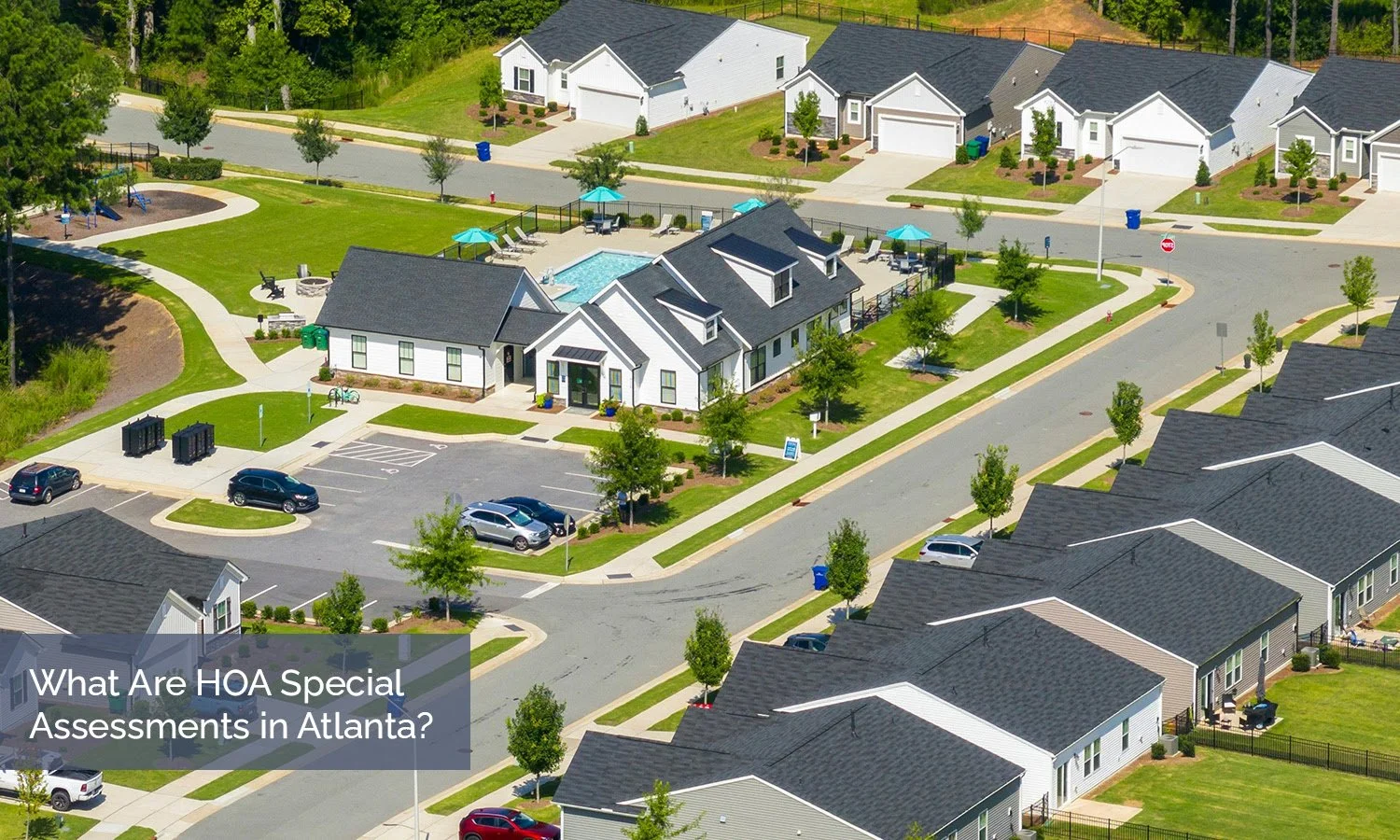
Homeowners associations across the Atlanta metro area operate in one of the fastest growing and most dynamic residential regions in the Southeast. From gated communities in Atlanta to suburban HOAs in Alpharetta, Marietta, Roswell, Smyrna, Sandy Springs, Duluth, and beyond, visitor access control has become a central part of community safety and daily operations.
Atlanta area HOAs manage constant traffic from guests, vendors, contractors, deliveries, and service providers. At the same time, residents expect convenience, speed, and professionalism at entry points. This article explains how visitor access control works for Atlanta area HOAs, the challenges unique to the region, and the best practices communities use to improve security without slowing down daily life.
The Atlanta region has experienced sustained residential growth over the past decade. Large master planned communities, gated subdivisions, townhome developments, and mixed use neighborhoods are common throughout metro Atlanta.
This growth creates constant movement at community entry points. Even HOAs without traditional guardhouses manage visitor access through call boxes, front desks, or monitored entrances. Without structured access control, Atlanta area HOAs face inconsistent enforcement, gate congestion, resident complaints, and increased security risk.
Visitor access control is no longer just about gates. It is about maintaining order, accountability, and predictability in high traffic residential environments.
Atlanta HOAs face a unique mix of access challenges driven by scale and diversity of community types. Many associations manage multiple entrances, rotating staff, and a wide range of visitor categories.
Common challenges include high daily guest volume, frequent vendor and contractor access, inconsistent procedures across shifts, reliance on paper visitor logs, and pressure to keep traffic moving during peak hours. In suburban communities, construction and renovation activity further increases contractor traffic. These challenges are not caused by lack of effort. They are the result of outdated access control methods being applied to modern, high volume communities.
Visitor access control refers to the systems and procedures HOAs use to manage who is allowed to enter private residential property. This includes guest approvals, vendor authorization, contractor scheduling, and documentation of entry and exit activity.
Modern visitor access control combines clear policies with digital systems that verify approvals in real time. Instead of relying on memory, phone calls, or handwritten notes, access decisions are supported by accurate, centralized information.
In Atlanta area HOAs, this structure is essential to maintaining consistency and fairness.
Many Atlanta area HOAs still rely on manual processes such as paper visitor logs, verbal approvals, or resident phone calls at the gate. While familiar, these methods break down quickly under pressure.
Paper logs are slow, inconsistent, and difficult to search. Verbal approvals depend on resident availability. Informal knowledge varies by staff member and shift. During busy periods, shortcuts become common, which weakens security.
Manual methods also provide little visibility for property managers and HOA boards, making oversight difficult.
Digital visitor access control systems replace manual processes with structured workflows. Guests are approved in advance, visitors are logged electronically, and staff verify authorization instantly at entry points.
For Atlanta area HOAs, digital systems provide a single source of truth across all gates and shifts. Staff no longer guess who is approved. Managers gain real time visibility, and residents experience smoother entry.
Digital access control improves both efficiency and security simultaneously.
Guest pre registration is one of the most effective access control practices Atlanta HOAs adopt. Residents submit guest details before arrival, including dates and times.
Pre registration reduces on the spot approvals and eliminates repeated phone calls to residents. When guests arrive, staff confirm authorization instantly, keeping traffic moving during peak hours.
In busy metro Atlanta communities, pre registration significantly reduces congestion and frustration.
Vendors and contractors are essential to HOA operations but create ongoing access challenges. Landscaping crews, maintenance providers, utilities, cleaners, and renovation contractors enter Atlanta area HOAs daily.
Effective visitor access control includes pre approving vendors, tracking arrival and departure times, and maintaining service access records. Digital systems ensure that only authorized contractors enter the community and that access aligns with approved schedules.
This structure protects the HOA and reassures residents that access is controlled responsibly.
Tailgating is a common issue in gated communities, especially during busy periods. It often increases when entry points are congested or procedures are unclear.
Atlanta area HOAs reduce tailgating by improving gate efficiency rather than relying solely on enforcement. Faster verified entry reduces pressure and discourages drivers from bypassing controls.
Clear procedures and consistent processing strengthen security without confrontation.
Many Atlanta HOAs operate multiple entrances or manage large communities with different access methods. Maintaining consistency across these environments is difficult without centralized tools.
Digital visitor access control systems provide unified oversight. Every entry point follows the same approval rules, and staff see the same information regardless of location or shift.
Consistency improves fairness, reduces disputes, and strengthens security across the community.
Visitor access control is difficult to manage without visibility. Property managers and HOA boards need insight into daily access activity to identify trends and address issues proactively.
Digital systems provide dashboards and reports showing who entered the community, when access occurred, and how rules are applied. This visibility supports informed decision making and continuous improvement.
Oversight becomes proactive rather than reactive.
Residents judge HOA management partly by how easy it is for guests to enter the community. Confusing procedures and long gate delays create frustration.
Visitor access control systems improve the experience by making entry predictable. Residents spend less time responding to gate calls, and guests arrive feeling expected rather than delayed.
In competitive Atlanta housing markets, this professionalism adds measurable value.
Accurate access records protect HOAs during disputes, complaints, or insurance claims. When incidents occur, reliable documentation reduces uncertainty.
Digital visitor access control systems provide time stamped, searchable records showing who entered the community and when. This documentation strengthens the HOA’s position and reduces liability exposure.
Paper logs rarely offer the same level of reliability.
Access control systems collect personal information, which must be handled responsibly. Paper logs left at gates expose visitor data unnecessarily.
Digital systems restrict access to authorized personnel and store records securely. Responsible data handling builds trust with residents and visitors while supporting security goals.
Privacy and security work best together.
GoAccess is designed specifically for HOA visitor access control and works well for Atlanta area communities. HOAs use GoAccess to enable guest pre registration, digitize visitor logs, manage vendor access, and gain real time visibility across entry points.
The platform replaces manual processes with structured workflows that fit real HOA operations. Staff gain confidence, managers gain oversight, and residents benefit from smoother, more secure access.
Atlanta HOAs that succeed with visitor access control focus on clarity and consistency. They define access rules clearly, encourage pre registration, use digital systems at all entry points, train staff thoroughly, and review access data regularly.
Access control works best when supported by clear policies and informed staff.
Visitor access control for Atlanta area HOAs must be designed for growth, volume, and daily reliability. Manual methods that once worked no longer meet the demands of modern residential communities.
By adopting digital visitor access control systems, Atlanta area HOAs can improve security, reduce gate delays, and deliver the professional experience residents expect. In one of the fastest growing metro regions in the country, effective visitor access control is not optional. It is essential.