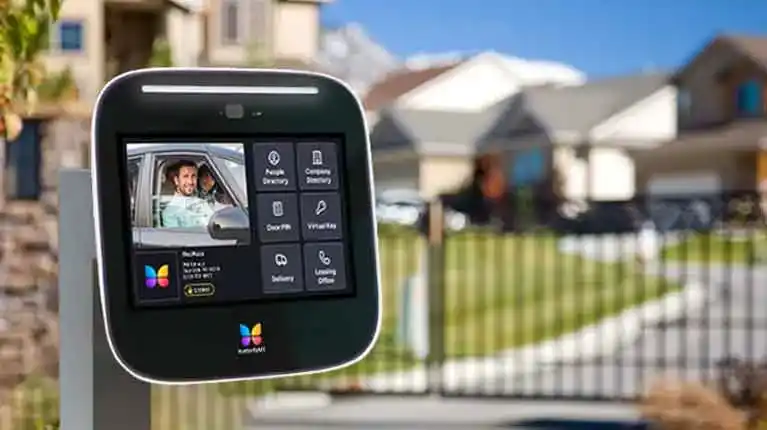
For many homeowners associations in California, security and convenience often feel like opposing goals. Tight access control can slow down entry, frustrate residents, and create traffic backups at the gate. At the same time, relaxed procedures increase the risk of unauthorized access and liability.
Modern California HOAs are proving that it does not have to be a tradeoff. With the right processes and tools, communities can strengthen security while keeping gates moving quickly. This article explains how HOAs across California are improving security without causing gate delays.
Gate delays usually come from outdated or manual processes rather than the gate itself. These issues slow down entry and create pressure on staff to rush decisions, which can weaken security.
Common causes include:
Gate delays affect more than convenience. Over time, they create broader problems for California HOAs. When delays become normal, security procedures are often bypassed to keep traffic moving.
These include:
One of the most effective ways California HOAs reduce gate delays is through guest pre registration. When guests arrive, security staff can confirm authorization instantly instead of starting from scratch.
Pre registration allows residents to:
Paper visitor logs are a major source of delay. Digital visitor logs eliminate manual steps that slow down entry. This speeds up processing while improving record accuracy.
Digital systems help by:
Unapproved vendors are one of the biggest causes of gate delays. Security staff can verify authorization quickly without phone calls or guesswork.
California HOAs improve security and efficiency by:
Inconsistent gate procedures cause confusion and slowdowns. Digital visitor management systems support consistency by guiding staff through the same process every time.
Modern HOAs focus on:
When security staff have real time access to visitor information, they make faster and better decisions. This visibility reduces hesitation at the gate without compromising safety.
Real time visibility allows staff to:
Long gate delays increase the risk of tailgating, where unauthorized vehicles follow approved visitors inside. Faster, controlled entry actually strengthens security rather than weakening it.
HOAs reduce this risk by:
Technology alone is not enough. California HOAs that succeed focus on training. Well trained staff can process visitors quickly while maintaining professionalism and control.
Effective training includes:
Residents want both safety and convenience. HOAs that improve gate flow without lowering standards see higher satisfaction. Security becomes less intrusive while remaining effective.
Benefits include:
GoAccess is designed to help California HOAs improve security without slowing down entry. By removing manual bottlenecks, GoAccess allows HOAs to tighten security while keeping gates moving smoothly.
With GoAccess, HOAs can:
These steps create long term improvements without compromising safety. California HOAs looking to improve gate flow should focus on:
Strong security does not have to mean slow gates. California HOAs that modernize visitor management are proving that speed and safety can work together. By using digital visitor logs, pre registration, and clear procedures, communities can reduce delays, improve resident satisfaction, and maintain the high security standards residents expect.