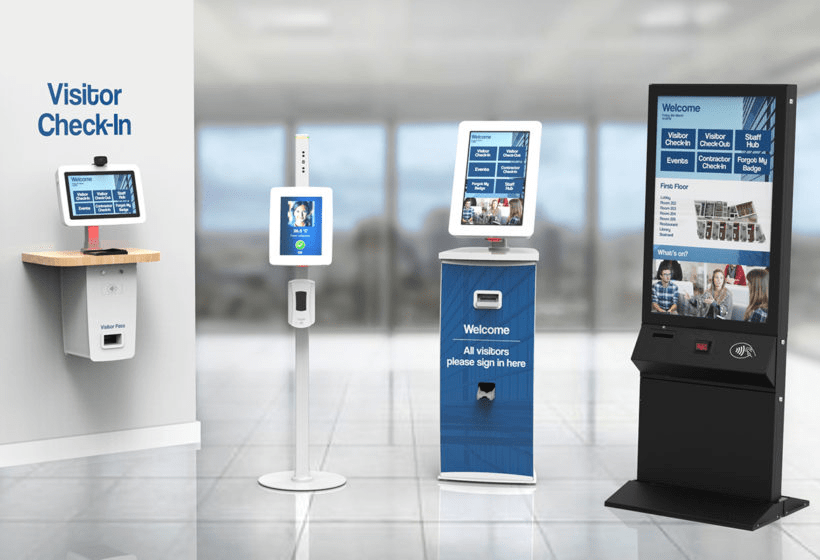
Visitor tracking has become a critical responsibility for homeowner associations across Georgia. As communities grow larger and more complex, HOAs are expected to maintain strong security, minimize liability, and deliver a seamless experience for residents and guests alike. Relying on outdated visitor tracking methods no longer meets these expectations.
Georgia HOAs are now adopting structured, technology driven visitor tracking practices that provide real time visibility, accurate records, and stronger control over who enters their communities. This article explains the best practices Georgia HOAs are using today to manage visitors effectively and why these practices are becoming the standard for modern community management.
Every day, Georgia HOAs manage a constant flow of visitors entering and exiting their communities. These visitors include family members, friends, contractors, vendors, delivery drivers, and service providers. Without a reliable visitor tracking system, HOAs lose visibility into who is on the property, when they arrived, and how long they stayed.
Effective visitor tracking improves security by ensuring that only authorized individuals are allowed entry. It also protects the HOA by creating clear records that can be referenced in the event of disputes, incidents, or insurance inquiries. For residents, strong visitor tracking reduces delays, confusion, and unnecessary interruptions.
Many HOAs in Georgia still rely on paper sign in logs, verbal approvals, or manual gate checks. These methods create gaps in accountability and make it difficult to maintain consistent oversight. Paper logs are often incomplete, hard to read, or missing entirely. Verbal approvals rely on memory rather than documentation, which introduces risk.
Traditional methods also lack real time access. HOA managers and board members cannot see who is currently inside the community without being physically present. When issues arise, retrieving accurate information becomes time consuming and unreliable. These limitations make outdated visitor tracking practices unsuitable for modern Georgia HOAs.
The most important visitor tracking best practice for Georgia HOAs is transitioning from paper based systems to digital visitor management software. Digital systems capture visitor information accurately and store it securely in the cloud. This eliminates handwriting errors, lost records, and manual data entry.
With digital visitor tracking, HOAs can access visitor data remotely, search historical records instantly, and monitor community activity in real time. This shift alone dramatically improves security, efficiency, and transparency.
Visitor pre approval is a cornerstone of effective visitor tracking. When residents register their guests in advance, the HOA gains visibility into expected visitor traffic before anyone arrives. Pre approved visitors experience faster entry, while unauthorized visitors are flagged immediately.
This practice reduces gate congestion, minimizes phone calls to residents, and ensures that access is granted only within approved timeframes. Pre approval also places control in the hands of residents while maintaining oversight at the community level.
Not all visitors should be treated the same, and effective visitor tracking reflects this reality. Georgia HOAs benefit from clearly defining visitor categories such as guests, contractors, vendors, and delivery services. Each category should follow specific access rules that align with the community’s security policies.
Clear categorization ensures consistency, reduces confusion for staff, and prevents unrestricted access. It also allows HOAs to tailor tracking and reporting based on visitor type, which improves oversight and accountability.
Visitor tracking is incomplete without accurate exit data. Knowing when a visitor enters the community is important, but knowing when they leave is equally critical. Digital visitor tracking systems automatically record entry and exit times, creating a complete access history.
This information is essential for investigations, emergency response, and operational reviews. Automated tracking removes guesswork and ensures that records remain accurate and tamper resistant.
HOA managers and board members need real time access to visitor data to make informed decisions. Best practice visitor tracking systems offer live dashboards that display current visitors, recent entries, and historical activity.
This visibility allows leadership to respond quickly to issues, identify unusual patterns, and maintain oversight without being physically present at the community. Real time access strengthens governance and improves accountability across the board.
Visitor tracking works best when residents are actively involved. Modern systems allow residents to register guests themselves using mobile or desktop interfaces. This self service approach reduces administrative workload and improves resident satisfaction.
When residents can manage their own guest access, compliance increases and gate staff face fewer interruptions. Notifications and confirmations further improve communication and transparency.
Visitor tracking involves collecting personal information, which must be handled responsibly. Georgia HOAs should use systems that store data securely, limit access to authorized users, and maintain tamper proof records.
Digital visitor tracking systems provide stronger data protection than paper logs, which expose sensitive information to anyone who can view the logbook. Secure data handling reduces liability and supports compliance with privacy expectations.
During emergencies, HOAs need immediate access to accurate information. Knowing who is currently inside the community and where they entered can make a significant difference during evacuations, medical emergencies, or security incidents.
Digital visitor tracking systems provide real time data that paper logs cannot deliver quickly enough. Emergency preparedness is a major reason Georgia HOAs are modernizing their visitor tracking practices.
Visitor tracking is most effective when it works alongside access control systems. Many Georgia HOAs integrate visitor management software with gates, keypads, QR codes, license plate recognition, and cameras.
Integration reduces manual approvals, strengthens entry point security, and ensures that access permissions are enforced automatically. This creates a smoother experience for visitors while maintaining strict control.
Technology alone does not guarantee success. Georgia HOAs must ensure that staff understand how to use visitor tracking systems correctly and consistently. Clear policies should be documented and communicated to residents so expectations are understood.
Regular reviews and updates help keep procedures aligned with community needs. Training and communication are essential components of effective visitor tracking.
Georgia continues to see growth in gated communities and managed residential developments. At the same time, residents expect higher levels of security and convenience. Insurance providers and legal advisors also place greater emphasis on documented access control.
These factors are driving HOAs to adopt stronger visitor tracking practices that align with modern standards and future growth.
Visitor tracking is not just a security measure. It supports HOA governance by improving transparency, enforcing policies consistently, and providing reliable documentation. Boards that have access to accurate visitor data are better equipped to make informed decisions and address community concerns.
Strong visitor tracking builds trust between residents, management, and leadership.
Visitor tracking in Georgia HOAs is becoming fully digital, automated, and resident driven. Paper based methods are being phased out as communities adopt smarter systems that scale with growth and complexity.
HOAs that modernize their visitor tracking today are better prepared for future demands and evolving expectations.
Visitor tracking is no longer optional for Georgia HOAs. It is a fundamental part of community safety, operational efficiency, and resident satisfaction.
By following best practices such as digital tracking, visitor pre approval, real time visibility, and secure data management, HOAs can reduce risk, improve experiences, and future proof their communities. Modern visitor tracking delivers clarity, accountability, and peace of mind for everyone involved.