Delivery Gate Access: A Practical Guide for HOAs
Create a clear arrival process for couriers and food deliveries, with approval rules, staff exceptions and a realistic plan for receiving packages.
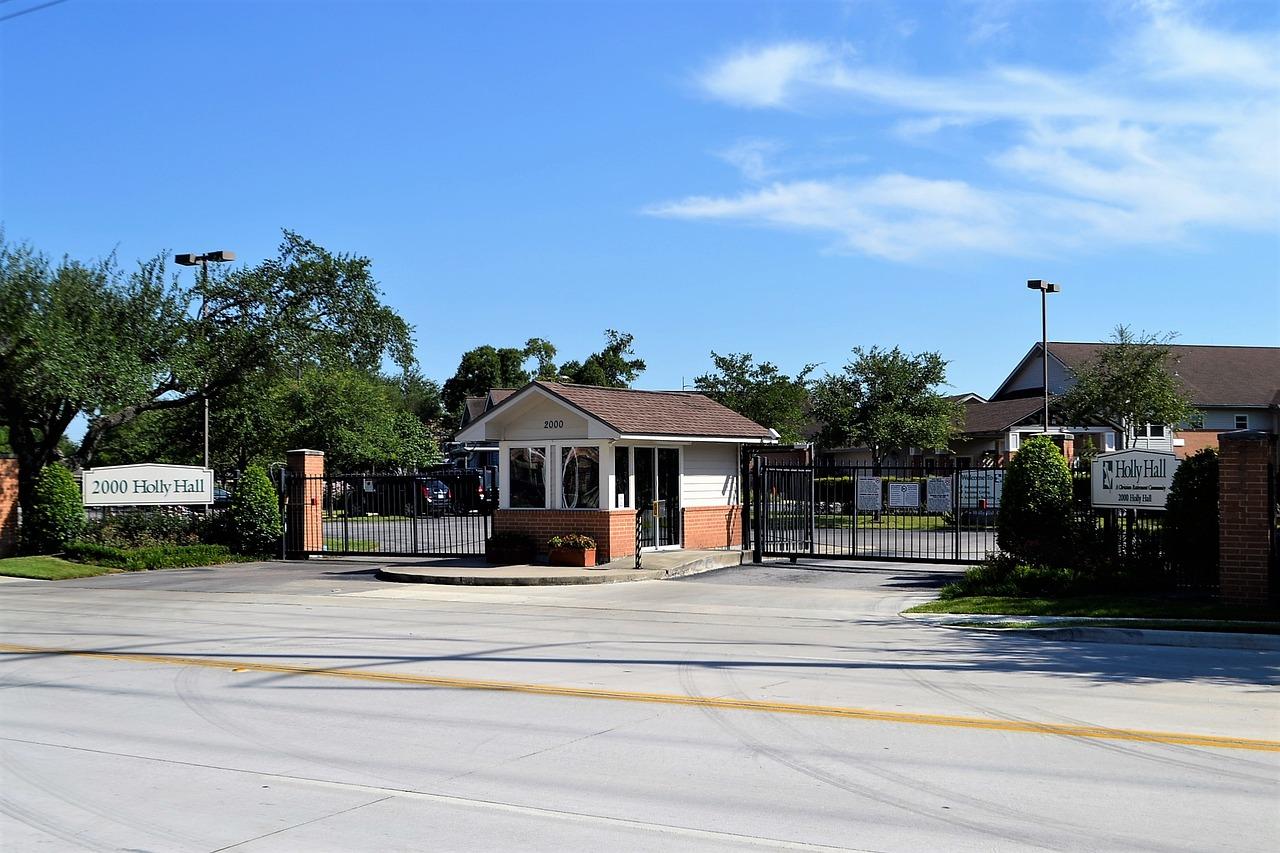
Delivery gate access works best when the association has a clear process for the driver, resident and gate team. Start by separating permission to enter the community from the arrangements for leaving a package. A gate-entry record does not, by itself, confirm delivery to a resident.
The right workflow depends on your entrances and staffing. A courier making several stops, a one-time food delivery and a contractor bringing materials may need different approval procedures.
Define who can approve each visit
Document whether a resident, staff member or authorized manager approves the delivery. Establish any applicable time limits and the process when the resident cannot be reached. Give gate staff a consistent procedure for an unexpected driver.
Visitor management is a starting point for organizing invitations and check-in. Review your delivery scenarios during a demonstration rather than assuming a guest-pass workflow covers every courier situation.
Match the method to the entrance
| Entrance situation | What to plan |
|---|---|
| Staffed gatehouse | Verification steps and an exception contact |
| Unstaffed entrance | Supported credential method and assistance process |
| Multiple delivery stops | Scope and duration of the approved visit |
| Driver without a working phone | An approved alternative check-in route |
| Changed vehicle or driver | How the existing approval is reviewed |
Temporary credentials or vehicle-based access may be options in a proposed system. Confirm their availability, compatible equipment and expiry behavior for your site. Avoid giving a broad, reusable permission simply because a vehicle carries a delivery logo.
Keep package receipt separate
Decide where drivers should leave parcels and how residents receive instructions. If the community uses a package room or locker, review that system independently and verify any proposed integration in writing.
An arrival notification is not proof that a parcel was received. Keep messages clear about what was actually recorded: an approved visit, a gate event or a separate package-receipt event. This distinction helps staff investigate questions without promising tracking the system does not provide.
Rehearse the exceptions with staff
Walk through an expired pass, a wrong entrance, an unreachable resident and a connectivity interruption. Record the person responsible for each exception and the assistance instructions drivers will see.
Review available logs and staff permissions, and decide what information is needed to resolve a delivery question. Apply the community’s retention policy rather than keeping every detail indefinitely.
For recurring contractors, compare the delivery process with your vendor-access workflow. A scheduled service relationship may need different permissions and records from a one-time package drop-off.
Plan a demonstration around real arrivals
Bring examples from your gate staff: the busiest arrival period, common driver questions and the entrances most often confused. Review GoAccess gate access control and onboarding, then request a demo to work through those scenarios.
Agree what success looks like before rollout, such as a clear exception procedure and fewer repeated approval steps. Measure the actual result after implementation rather than assuming a particular reduction in delays or package loss.