Gated communities across Arizona are experiencing higher visitor volume than ever before. Rapid population growth, large master planned developments, seasonal residents, and constant service activity have transformed how access must be managed. What once worked with a clipboard and handwritten sign in sheet no longer holds up under modern conditions.
Digital visitor logs have become a foundational tool for Arizona gated communities that want to strengthen security, reduce gate delays, and operate more professionally. This article explains how digital visitor logs work in Arizona gated communities, why paper systems fail at scale, and how HOAs are using digital visitor management to improve both safety and resident experience.
Arizona is home to some of the largest gated and guard monitored communities in the country. Cities like Phoenix, Scottsdale, Mesa, Chandler, and Gilbert feature neighbourhoods with hundreds or even thousands of homes sharing controlled entry points.
These communities manage daily access from:
Every entry through the gate is a security decision. Without accurate visitor logs, HOAs lose visibility into who is inside the community and why. Digital visitor logs bring structure to this complexity and turn access tracking into a reliable operational process.
Paper visitor logs struggle in Arizona gated communities for several reasons. High traffic volume leads to rushed, incomplete, or illegible entries. During peak hours or extreme heat, staff often prioritize moving vehicles quickly, which results in skipped logging altogether.
Paper logs also create privacy concerns. Visitor names, unit numbers, and visit times are often visible to others waiting at the gate. Over time, logbooks become damaged, lost, or stored inconsistently, making it difficult to retrieve records when incidents occur.
As Arizona communities grow, these weaknesses become security risks rather than inconveniences.
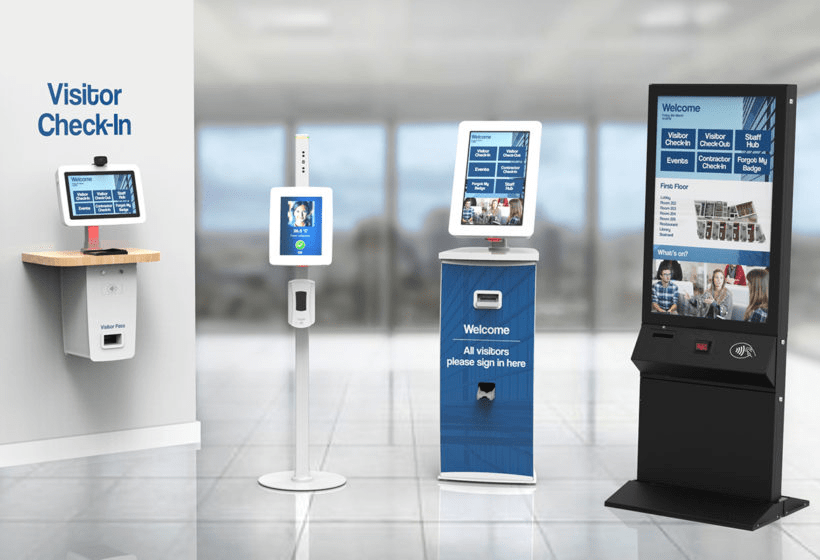
A digital visitor log replaces handwritten sign in sheets with an electronic system used at gates or guardhouses. Visitors are checked in using a tablet, kiosk, or gate system, and their information is captured automatically.
Digital logs record:
All records are stored centrally and can be accessed by authorized HOA staff when needed. Instead of fragmented paper records, gated communities gain a single, reliable source of access data.
One of the biggest misconceptions about digital visitor logs is that they slow down gate operations. In reality, paper logs are usually the cause of delays.
Digital visitor logs speed up entry by eliminating handwriting, repeated explanations, and phone calls to residents. Pre approved guests and vendors can be verified instantly. This keeps traffic moving smoothly, even during peak hours.
Faster verified entry reduces congestion and tailgating, which actually strengthens security rather than weakening it.
Tailgating is one of the most common security issues in gated communities. It typically increases when lines form and drivers feel pressure to get through quickly.
Digital visitor logs help reduce tailgating by improving gate efficiency. When approved visitors are processed quickly and consistently, there is less incentive for drivers to follow others through the gate. Staff can maintain control calmly and confidently without confrontation.
Efficient access control is one of the strongest deterrents to unauthorized entry.
Digital visitor logs work best when combined with guest pre registration. Residents submit guest details in advance, creating an approval record before arrival.
Pre registration allows HOAs to apply time based access automatically. Guests are approved for specific dates or time windows, and access expires when the visit ends. This prevents outdated approvals from lingering indefinitely.
In Arizona gated communities with seasonal residents, time based access is especially important.
Vendors and contractors represent a large portion of daily traffic in Arizona gated communities. Landscaping crews, pool services, maintenance teams, utilities, and renovation contractors enter communities constantly.
Digital visitor logs allow HOAs to:
This level of accountability protects the HOA and reassures residents that access is being managed responsibly.
One of the strongest advantages of digital visitor logs is real time visibility. Security staff, property managers, and HOA boards can see who is currently inside the community and which visitors are approved.
This visibility allows managers to respond quickly to incidents, support staff during busy periods, and identify access patterns that may need adjustment. Oversight becomes proactive rather than reactive.
In large Arizona gated communities, this visibility is essential.
Many Arizona gated communities operate multiple gates or rotate staff across shifts. Paper logs and informal approvals create inconsistency, which weakens security.
Digital visitor logs ensure that every staff member sees the same approvals and follows the same process. Consistency improves enforcement, reduces disputes with residents, and strengthens overall security.
Systems reduce reliance on memory and individual judgment.
Accurate visitor records are a critical part of risk management. When incidents, complaints, or insurance claims arise, Arizona HOAs need reliable documentation.
Digital visitor logs provide time stamped, searchable records that show who entered the community and when. This documentation protects the HOA and reduces uncertainty during investigations.
Paper logs rarely provide the same level of reliability or accessibility.
Visitor logs often contain personal information. In Arizona’s gated communities, privacy expectations are high.
Digital visitor logs improve privacy by restricting access to visitor data and eliminating public paper logbooks. Information is stored securely and accessed only by authorized staff. This professional handling of visitor data builds trust with residents and guests alike.
Security and privacy work together when systems are designed properly.
Residents want strong security without inconvenience. Guests want a smooth, respectful entry process.
Digital visitor logs improve the experience by reducing wait times, eliminating confusion, and creating predictable entry procedures. Residents spend less time responding to gate calls, and guests arrive feeling expected rather than delayed.
In competitive Arizona housing markets, this professionalism adds real value to gated communities.
The shift from paper to digital visitor logs in Arizona is not about technology trends. It is about practicality. As communities grow and visitor traffic increases, paper systems fail under pressure.
Digital visitor logs provide speed, accuracy, visibility, and accountability that paper logs cannot match. For many gated communities, the transition is no longer optional. It is necessary to maintain security and operational control.
GoAccess is designed specifically for HOA visitor management and gated community operations. Arizona HOAs use GoAccess to replace paper visitor logs with secure digital tracking that fits real gate workflows.
The platform supports guest pre registration, vendor management, real time visibility, and accurate documentation without adding operational complexity. Gates move faster, security improves, and managers gain confidence in access control.
Arizona gated communities that succeed with digital visitor logs focus on clarity and consistency. They define access rules clearly, encourage pre registration, train staff thoroughly, and review visitor data regularly.
Technology works best when paired with clear procedures and informed staff.
Digital visitor logs have become an essential tool for Arizona gated communities. High visitor volume, seasonal traffic, and large scale developments make manual systems unreliable and risky.
By adopting digital visitor management, Arizona HOAs gain control over access, reduce gate delays, improve security, and deliver a more professional experience for residents and guests. In today’s gated communities, digital visitor logs are not just an upgrade. They are a necessity.