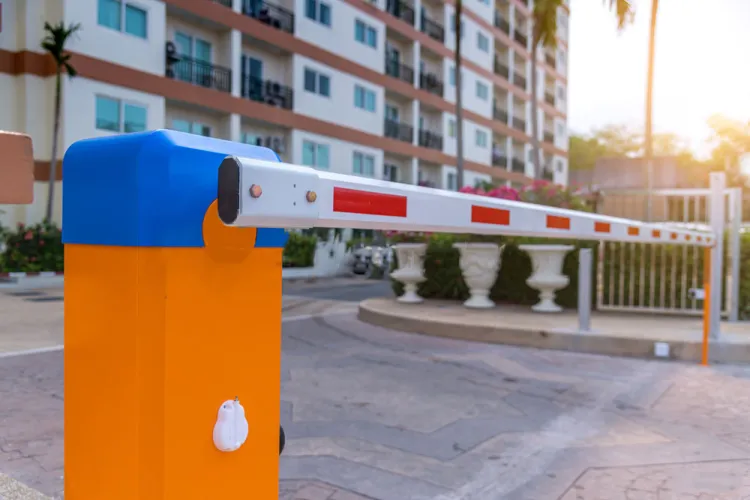
Front gate operations are one of the most visible and resource-intensive parts of HOA management. Every visitor, vendor, and delivery interacts with the gate, and any delay or confusion quickly turns into resident frustration and staff workload. Manual gate processes that rely on call boxes, shared codes, or on-site approvals are increasingly unable to keep up with modern community demands.
Across Oregon, HOAs are automating front gate operations using visitor management software and integrated access control systems. Automation reduces errors, speeds up entry, and allows communities to maintain strong security without increasing staffing needs. This article explains how gate automation works and why Oregon HOAs are making the shift.
The front gate is a constant source of interruption for HOA staff and residents. Visitors arrive without prior approval, call boxes ring repeatedly, and staff are pulled away from other responsibilities to resolve access issues.
When gate operations are manual, every exception becomes a problem that must be handled in real time. This reactive approach creates delays, inconsistency, and frustration that affects the entire community.
Many Oregon HOAs operate gates that are technically automated but operationally manual. Gates may open with a keypad or remote, but approvals still depend on shared codes or resident confirmation.
Shared codes are often reused and widely circulated, which undermines security. Call boxes slow down entry and interrupt residents. On-site staff approvals introduce delays and human error. These systems do not scale as visitor volume increases.
Gate automation connects visitor management software directly to the gate controller. Instead of relying on human approval, the system verifies access automatically based on predefined rules.
When a visitor arrives, the software checks whether access has been approved and whether it is valid at that moment. If conditions are met, the gate opens automatically. If not, entry is denied without staff intervention. Every action is logged in real time.
One of the biggest benefits of gate automation is the elimination of call boxes and manual approval steps. Visitors no longer need to call residents or wait for staff to intervene.
Residents approve guests in advance, and the system handles entry automatically. This reduces interruptions and allows the gate to function smoothly even during peak hours.
Automated gates operate consistently. Access rules are enforced the same way for every visitor, regardless of time of day or staffing levels.
This consistency reduces confusion and speeds up entry. Visitors experience predictable access, and residents gain confidence that the gate is operating fairly and securely.
Automated gate systems can support several access methods, including QR codes, mobile credentials, PINs, and license plate recognition. The visitor management platform determines which method applies to each visitor.
This flexibility allows Oregon HOAs to accommodate different visitor types without creating exceptions or workarounds. Automation ensures that access remains controlled and auditable.
Automating front gate operations significantly reduces staff workload. Staff no longer need to answer gate calls, verify approvals, or manage access manually.
With automation in place, staff focus on planned tasks and higher-priority responsibilities. This shift improves productivity and reduces burnout.
Automated gate systems enforce access rules precisely. Permissions expire automatically, and unauthorized access attempts are denied consistently.
This rule-based enforcement reduces the risk of tailgating, credential sharing, and after-hours access. For Oregon HOAs, automation strengthens security without relying on constant supervision.
Peak traffic periods such as evenings, weekends, and events place heavy strain on manual gate operations. Automation allows gates to handle high volume smoothly without adding staff.
Visitors move through the gate efficiently, and staff are not overwhelmed by spikes in activity. This scalability is a major advantage for growing Oregon communities.
During emergencies, automated gate systems provide clear data about who entered the community and when. Gates can be managed remotely to support evacuations or emergency access.
Integration with visitor management software ensures that emergency decisions are based on real-time information rather than assumptions.
Residents benefit directly from automated gate operations. Guests enter smoothly without repeated calls, and residents experience fewer disruptions.
Over time, these improvements reduce complaints and increase confidence in HOA management. The front gate becomes a point of efficiency rather than frustration.
Successful automation requires understanding existing gate hardware, visitor patterns, and community expectations. Oregon HOAs should ensure that gate controllers are compatible with visitor management platforms and that staff receive proper training.
Clear communication with residents is also essential to ensure smooth adoption and consistent use.
Oregon HOAs are prioritizing gate automation because manual processes no longer meet operational or security needs. Communities are larger, visitor volume is higher, and expectations are rising.
Automating front gate operations provides a practical way to improve efficiency, security, and resident experience at the same time.
Automating front gate operations transforms one of the most challenging areas of HOA management. By integrating visitor management software with gate systems, Oregon HOAs eliminate delays, reduce staff workload, and enforce access rules consistently.
Automation turns the front gate into a reliable, intelligent access point that supports daily operations and long-term community success.